Complete guide to dumpster disposal rules, prohibited items, and San Francisco County regulations to keep your project on track and fee-free.
Summary:
Renting a dumpster in San Francisco County comes with specific rules about what you can and can’t dispose of. Understanding these regulations protects you from surprise fees, project delays, and potential violations. This guide covers universally prohibited items like hazardous materials and electronics, San Francisco-specific permit requirements, and proper loading techniques. You’ll discover how to maximize your rental value while staying compliant with local disposal regulations and avoiding costly mistakes.
Table of contents
Items That Are Universally Banned From Dumpsters
Hazardous Chemicals and Flammable Materials
Electronics and Battery Disposal Rules
San Francisco County's Special Requirements
When You Need Permits and How to Get Them
Loading Limits That Actually Matter
Your Action Plan for Fee-Free Dumpster Rental
You’ve scheduled your dumpster, mapped out your project timeline, and you’re ready to start clearing out debris. But hold on—before you toss that first load, there’s something critical you need to understand. Not everything belongs in a dumpster, and the rules are stricter than most people realize. Making the wrong disposal choice can hit you with surprise fees, project delays, or even legal violations. Whether you’re renovating your San Francisco County home, managing a construction site, or tackling a major cleanout, knowing what goes where protects your budget and keeps your project moving smoothly. Here’s your complete guide to dumpster disposal do’s and don’ts.
Items That Are Universally Banned From Dumpsters
Certain materials are off-limits in every dumpster, everywhere, no exceptions. These aren’t arbitrary rules—they exist because these items can cause fires, environmental damage, or serious safety hazards during transport and disposal.
The following materials are never allowed in a roll off dumpster, no matter where you live. These prohibited items may cause fires, damage the landfill or dumpster, or need to be processed separately from your typical household and construction debris to ensure everyone’s safety. Understanding these universal prohibitions helps you plan alternative disposal methods before your dumpster arrives.
Hazardous Chemicals and Flammable Materials
The hazardous materials category covers more items than most people expect. Liquid paint, solvents, automotive fluids, pesticides, and household cleaners are considered hazardous waste and cannot go in a dumpster. These substances can leak into the environment and pose serious risks. This includes everything from that half-empty paint can in your garage to the motor oil you’ve been meaning to dispose of.
Oil and gas products like motor oil, lubricants, gasoline and petroleum cannot be put in a dumpster. These products are toxic, corrosive and flammable and need to stay separate from your other garbage. Even small amounts can contaminate entire loads of debris, potentially making the whole dumpster contents hazardous waste—which means expensive special handling fees.
Paint creates confusion for many homeowners. Paints and lacquers are prohibited because they can contain lead or mercury, especially if they were manufactured before the 1990s. Prohibited paints include paint thinners, lacquers and wood stains. But there’s good news for latex paint users: in most municipalities, you can dispose of dry latex paint as long as it’s wrapped in a plastic bag. Empty paint cans are also usually accepted.
The key is planning ahead. Most areas have household hazardous waste collection days or permanent drop-off locations. Many auto parts stores accept used motor oil and batteries. Some paint stores will take back unused paint. A quick phone call before your project starts can save you from having prohibited items with nowhere to go when your dumpster arrives.
Electronics and Battery Disposal Rules
The hazardous materials category covers more items than most people expect. Liquid paint, solvents, automotive fluids, pesticides, and household cleaners are considered hazardous waste and cannot go in a dumpster. These substances can leak into the environment and pose serious risks. This includes everything from that half-empty paint can in your garage to the motor oil you’ve been meaning to dispose of.
Oil and gas products like motor oil, lubricants, gasoline and petroleum cannot be put in a dumpster. These products are toxic, corrosive and flammable and need to stay separate from your other garbage. Even small amounts can contaminate entire loads of debris, potentially making the whole dumpster contents hazardous waste—which means expensive special handling fees.
Paint creates confusion for many homeowners. Paints and lacquers are prohibited because they can contain lead or mercury, especially if they were manufactured before the 1990s. Prohibited paints include paint thinners, lacquers and wood stains. But there’s good news for latex paint users: in most municipalities, you can dispose of dry latex paint as long as it’s wrapped in a plastic bag. Empty paint cans are also usually accepted.
The key is planning ahead. Most areas have household hazardous waste collection days or permanent drop-off locations. Many auto parts stores accept used motor oil and batteries. Some paint stores will take back unused paint. A quick phone call before your project starts can save you from having prohibited items with nowhere to go when your dumpster arrives.
San Francisco County's Special Requirements
San Francisco County operates under some of the nation’s strictest waste disposal regulations. These rules go far beyond standard dumpster rental restrictions and can significantly impact your project if you’re not prepared.
Hazardous materials, electronics, and certain chemicals require special disposal according to California regulations. The state’s environmental protection standards create additional layers of compliance that affect everything from construction debris to household cleanouts. Understanding these requirements upfront prevents costly surprises later.
When You Need Permits and How to Get Them
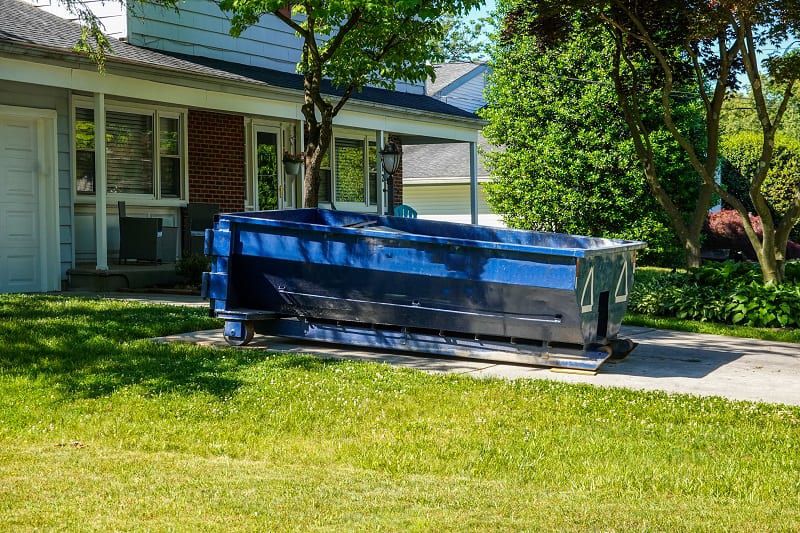
Permit requirements in San Francisco County can make or break your project timeline. Yes, you need to acquire a street space permit from San Francisco Public Works if you need to place the debris box on public property, like the street, sidewalk or any other right of way. Make sure to acquire a permit at least 10 business days before your dumpster delivery to ensure verification.
That 10-business-day requirement isn’t a suggestion—it’s mandatory processing time. Property owners must apply for a Street Space Permit (allocating at least 10 business days for permit verification) from the Department of Building Inspection at 1660 Mission Street, 5th Floor and post “No Parking” signs at least 72 hours in advance. Missing these deadlines can delay your entire project.
Location restrictions add another layer of complexity. Debris box placement must be governed by traffic and parking regulations including but not limited to: tow-away zones, accessibility curb ramps, bus stops, handicapped parking zones and fire hydrants. If the SFMTA Blue Book requirements cannot be satisfied, you will need to obtain a SFMTA Special Traffic Permit.
Here’s where working with an experienced local dumpster company pays off. We’re familiar with San Francisco County regulations and can often suggest placement options that avoid permit requirements entirely. We use specialized equipment—like wheeled containers instead of traditional roll-offs—that eliminates many permit needs while protecting your property from damage.
Loading Limits That Actually Matter
Weight limits and proper loading aren’t just guidelines—they’re safety requirements that directly affect your final bill. Do not overfill – Never load waste above the fill line—overloaded dumpsters can’t be safely transported, leading to delays and extra fees. Violating these limits can stop your project cold while you figure out how to remove excess debris.
Understanding weight becomes crucial with certain materials. Be aware that weight overages are among the most common causes of extra fees. For example, loading heavy debris like concrete, bricks, or dirt into a small dumpster can quickly put you over the limit. Pro Tip: If you’re unsure of how much weight you’re adding, use a basic estimation. For instance, a cubic yard of concrete weighs around 4,000 pounds.
Smart loading involves strategy, not just staying under weight limits. Loading the dumpster the right way is important to keep it safe during transport and to use all the space inside efficiently. Make sure to spread out the materials evenly so the weight isn’t lopsided, which could cause problems when moving it. Don’t overfill the dumpster—nothing should stick out above the top. This keeps it safe to move and follows the rules.
The consequences of improper loading extend beyond extra fees. To ensure safe transportation and avoid additional fees, load your dumpster evenly to avoid exceeding the fill line. Overfilling can pose a safety hazard and may result in the dumpster not being picked up until adjustments are made. That means your debris sits there, your project stalls, and you’re paying rental fees while scrambling to fix the problem.
Your Action Plan for Fee-Free Dumpster Rental
The best defense against surprise fees and violations is preparation. Most problems stem from misunderstandings that could have been avoided with a simple conversation upfront.
Start by having a detailed discussion with your dumpster rental company about your specific project. Describe exactly what you’re disposing of, estimate quantities as accurately as possible, and ask about any local restrictions that might apply. Sorting your load upfront saves you time, money, and hassle later. When in doubt, snap a photo or make a quick call to your provider before tossing questionable items in.
Choose a rental company that understands San Francisco County’s unique requirements. Local expertise matters when you’re dealing with complex regulations and tight timelines. The right company doesn’t just drop off a container—we provide guidance that protects your project and your budget. For San Francisco County residents, we offer the local knowledge, transparent pricing, and specialized equipment designed to make your disposal project as smooth as possible.


